To begin, use these practical Tips for Cellulose Insulation to boost comfort and efficiency. Moreover, homeowners in Seattle, Tacoma, and Puyallup can apply them today. Additionally, you will reduce drafts, stabilize temperatures, and cut costs. Therefore, this guide explains choices, methods, and care. Furthermore, it links to helpful resources and local expertise for clarity and action.
Understanding Cellulose Insulation
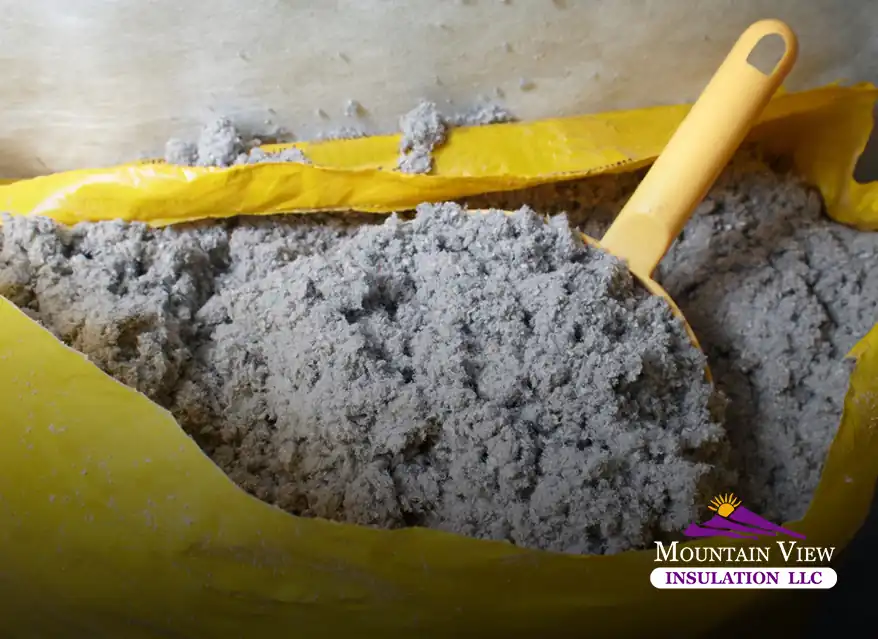
First, cellulose comes from recycled paper treated with fire retardants for safety. Additionally, its dense structure slows heat transfer and limits air movement. Consequently, indoor temperatures remain steadier through seasons. Moreover, this material supports sustainability by reusing resources and lowering waste. Therefore, it suits eco-conscious projects and tight energy goals.
Key Benefits at a Glance
- Additionally, eco-friendly insulation supports greener choices without sacrificing performance.
- Moreover, improved energy savings reduce HVAC runtime and monthly bills.
- Furthermore, inherent fire resistance adds an extra safety margin.
- Also, reliable material durability maintains performance over time.
- Finally, sound reduction helps create calmer, quieter rooms.
Installation Methods: Loose-Fill and Dense-Pack
Loose-Fill for Open Areas
Typically, loose-fill works best in open attics and large cavities. Furthermore, it flows around obstructions and covers uneven spaces. Consequently, gaps shrink, and thermal bridges decrease dramatically. Additionally, depth can be adjusted to match target R-values.
Dense-Pack for Enclosed Cavities
Meanwhile, dense-pack fits walls and enclosed floors. Moreover, installers pack fibers to a target density that limits settling. Therefore, air leakage drops, and comfort increases. Additionally, see How to Install Underfloor Insulation for floor applications.
Pre-Install Checklist
- First, seal air leaks around penetrations, lights, and chases.
- Additionally, verify dry substrates and correct any roof or plumbing leaks.
- Moreover, confirm ventilation pathways and baffle placement in attics.
- Furthermore, plan target R-values by zone and space type.
- Finally, schedule a blower door test for quality assurance.

Regional Guidance for Puget Sound Homes
Specifically, homeowners may research Why Choose Cellulose Insulation in Tacoma for local climate notes. Additionally, many families seek Seattle cellulose benefits for mixed-humid conditions. Moreover, you can apply Puyallup insulation tips when addressing older homes. Consequently, regional insights guide smarter material choices and depth targets.
Safety and Code Considerations
Importantly, cellulose includes treatments that enhance fire resistance and meet relevant codes. Additionally, installers maintain clearances from heat sources and fixtures. Moreover, labeled depth markers and coverage charts support compliance. Therefore, documentation and photos help verify that specifications are met.
Cost, Value, and Comparisons
Usually, total cost depends on area, depth, and access. Additionally, long-term energy savings often offset initial expense. Moreover, incentives may improve payback timelines. Therefore, compare assemblies with Cellulose vs Fiberglass Insulation to evaluate performance. Furthermore, Tacoma cellulose insulation frequently shows strong seasonal benefits.
Maintenance Tips for Longevity
- First, inspect annually for moisture, pests, or displacement.
- Additionally, top up levels if settling reduces effective depth.
- Moreover, keep ventilation paths open and baffles intact.
- Furthermore, avoid compressing material with stored items.
- Finally, address roof or plumbing leaks immediately.
When to Choose Professional Installation
Often, dense-pack and deep attics require specialized equipment. Additionally, professional installation ensures target densities and full coverage. Moreover, experts handle tricky cavities and air sealing details. Therefore, results improve, warranties apply, and callbacks drop. Furthermore, professional installation supports documentation for rebates and resale.
Frequently Asked Questions
How do Tips for Cellulose Insulation differ from general insulation advice?
Notably, these Tips for Cellulose Insulation focus on density targets, air control, and depth planning. Additionally, they emphasize fire safety and regional considerations.
Can I place cellulose over old insulation?
Yes, you can. Additionally, ensure the existing layer is dry and stable. Moreover, maintain ventilation and install baffles before blowing material.
What R-value should I target?
Generally, follow local energy codes and climate guidance. Additionally, attics often need higher R-values than walls. Moreover, pros confirm targets during assessment.
Will cellulose help with noise?
Typically, yes. Additionally, dense fibers dampen airborne sound. Moreover, sealing gaps further improves results in walls and floors.
How do I prevent moisture issues?
Firstly, fix leaks and manage indoor humidity. Additionally, maintain ventilation paths and use proper air sealing. Moreover, schedule periodic inspections.
Next Steps and Local Support
Ultimately, apply these Tips for Cellulose Insulation to plan scope, budget, and timing. Additionally, explore Seattle cellulose benefits for climate-specific gains. Moreover, consider professional installation to guarantee coverage. Therefore, contact the team today via Contact Mountain View Insulation for guidance. Finally, enjoy durable comfort, steady energy savings, and dependable performance.
To conclude, these Tips for Cellulose Insulation encourage careful prep, correct methods, and steady maintenance. Moreover, they help homeowners secure eco-friendly insulation benefits with confidence and clarity. Furthermore, Puyallup insulation tips support older homes, while Tacoma cellulose insulation addresses cooling and heating swings effectively.