Small changes can make a clear difference in comfort and energy use. Thermal bridging in homes often causes hidden heat loss, higher heating demand, and chilly areas near walls, ceilings, or floors.
By finding insulation gaps and reducing heat loss through framing, homeowners can create steadier indoor temperatures. At Mountain View Insulation, LLC, we guide families toward practical steps that support comfort, lower waste, and stronger home envelope efficiency.
How Heat Escapes Through Framing And Building Materials
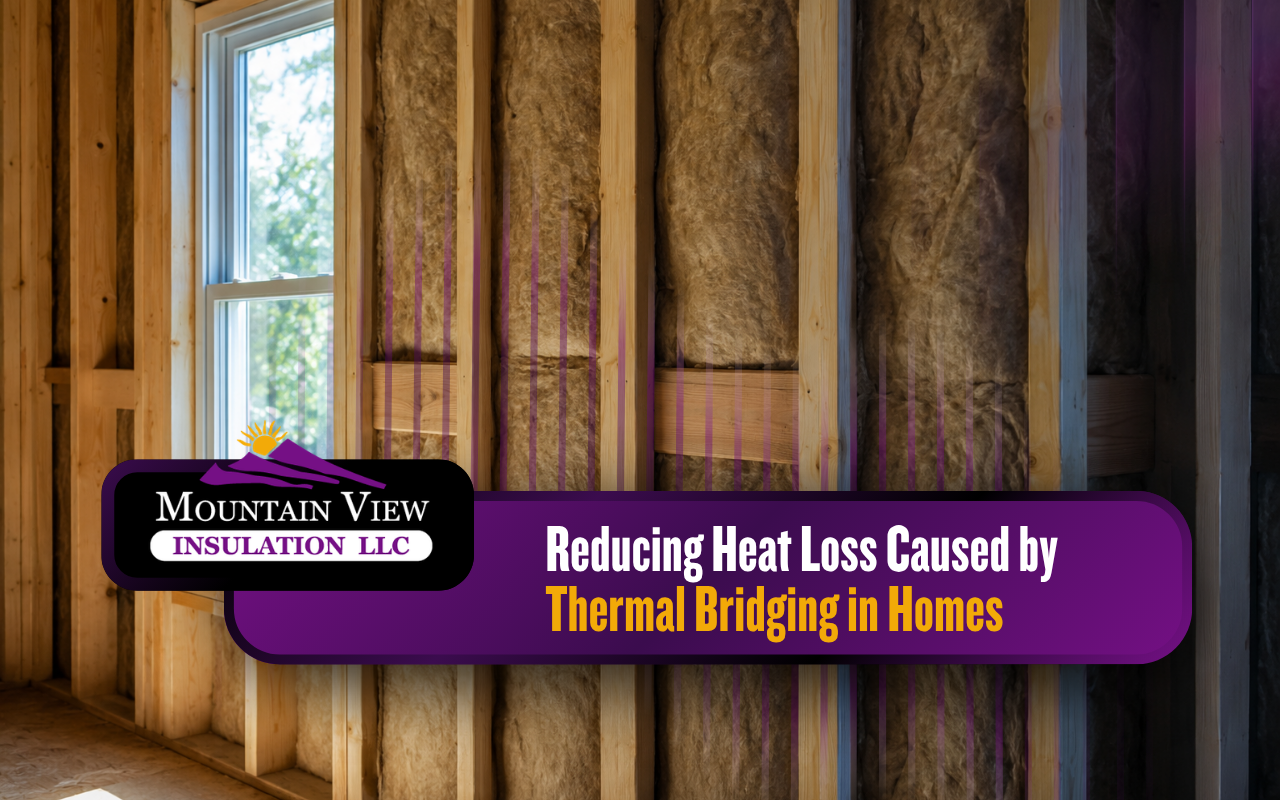
Thermal bridges form when wood, metal, or concrete creates an easy path for heat. These materials can carry warmth past insulated areas, so indoor heat moves outside faster during cold weather.
Common paths include wall studs, floor joists, roof rafters, and foundation edges. Because insulation cannot always cover these areas fully, thermal bridging in homes may weaken the whole wall or roof system. Older homes may have more exposed framing paths, especially after insulation settles or shifts.
Common Warning Signs Around Walls Floors And Ceilings
Cold wall spots are often the first sign of a problem. You may also notice cool floors, uneven room temperatures, drafts near corners, or damp areas during colder months.
- Walls that feel colder than nearby surfaces
- Condensation near corners, studs, or ceiling lines
- Rooms that remain chilly while heating runs
- Higher energy use without a clear reason
These signs can point to insulation gaps or thermal bridge problems behind finished surfaces. A simple inspection helps narrow down the source before the issue becomes more costly. Pay attention to rooms beside garages, attics, or crawl spaces because they often show changes first.
Why Hidden Thermal Bridges Reduce Overall Home Comfort
When heat escapes through framing, rooms may feel uneven and harder to warm. Your heating system then runs longer, which can raise energy use and add wear over time.
Cold surfaces may also collect moisture. As a result, paint can peel, drywall may stain, and indoor comfort can drop. Better home envelope efficiency helps reduce these risks and supports a more stable indoor space. It can also make rooms feel more balanced from morning through night.
Practical Insulation Methods That Limit Unwanted Heat Transfer
Several insulation methods can reduce thermal bridging in homes. The right choice depends on the location, building design, and condition of the existing insulation.
- Rigid foam over studs or exterior wall areas
- Spray foam around rim joists and narrow gaps
- Insulated sheathing across larger framing sections
- Careful air sealing around wall openings
Our guide to advanced insulation methods explains where these options may work best. At Mountain View Insulation, LLC, we focus on complete coverage rather than quick surface fixes.
Simple Home Checks For Finding Cold Problem Areas
Homeowners can check for possible problem areas before calling a professional. Start on a cold day, then compare wall, floor, and ceiling temperatures in different rooms.
- Feel along corners, outlets, and baseboards
- Check attic hatches and crawl space edges
- Look for frost, moisture, or paint damage
- Compare energy bills across colder months
An infrared thermometer can also help locate cold wall spots. However, hidden thermal bridge problems may need a full review, especially when several rooms show the same pattern.
Professional Inspections Bring Clearer And More Lasting Solutions
A trained insulation team can use thermal cameras and building checks to find hidden heat loss through framing. This approach helps separate air leaks, missing insulation, and true thermal bridges. Clear results also help homeowners choose repairs in the right order.
With Mountain View Insulation, LLC, we explain the findings in simple terms and recommend steps that fit the home. Homeowners can also review what R-value means before choosing an upgrade.
Frequently Asked Questions
What causes thermal bridging inside a home?
It happens when framing or another solid material carries heat past insulated areas. Studs, joists, rafters, and concrete edges are common causes.
Can thermal bridges increase heating bills?
Yes. Thermal bridging in homes can make heating systems work longer because warmth leaves through weak sections of the building envelope.
Are cold wall spots always insulation problems?
Not always. They may come from air leaks, moisture, missing insulation, or framing. A careful inspection helps confirm the cause.
Can homeowners fix small thermal bridges themselves?
Small gaps around outlets, windows, or rim joists may be sealed safely. Larger wall or roof areas usually need professional help.
How does better insulation improve energy efficiency?
Better coverage slows heat movement, reduces drafts, and supports steadier temperatures. Our article on improving home energy efficiency shares more helpful steps.
Build A Warmer Home With Better Insulation Coverage
Solving thermal bridging in homes can improve comfort, reduce energy waste, and protect walls from moisture. Regular checks and well-planned insulation upgrades create stronger results across every season.
Our team can help identify weak areas and explain the safest next step. To discuss your home, visit our insulation consultation page. You can also read why insulation is important for long-term comfort.