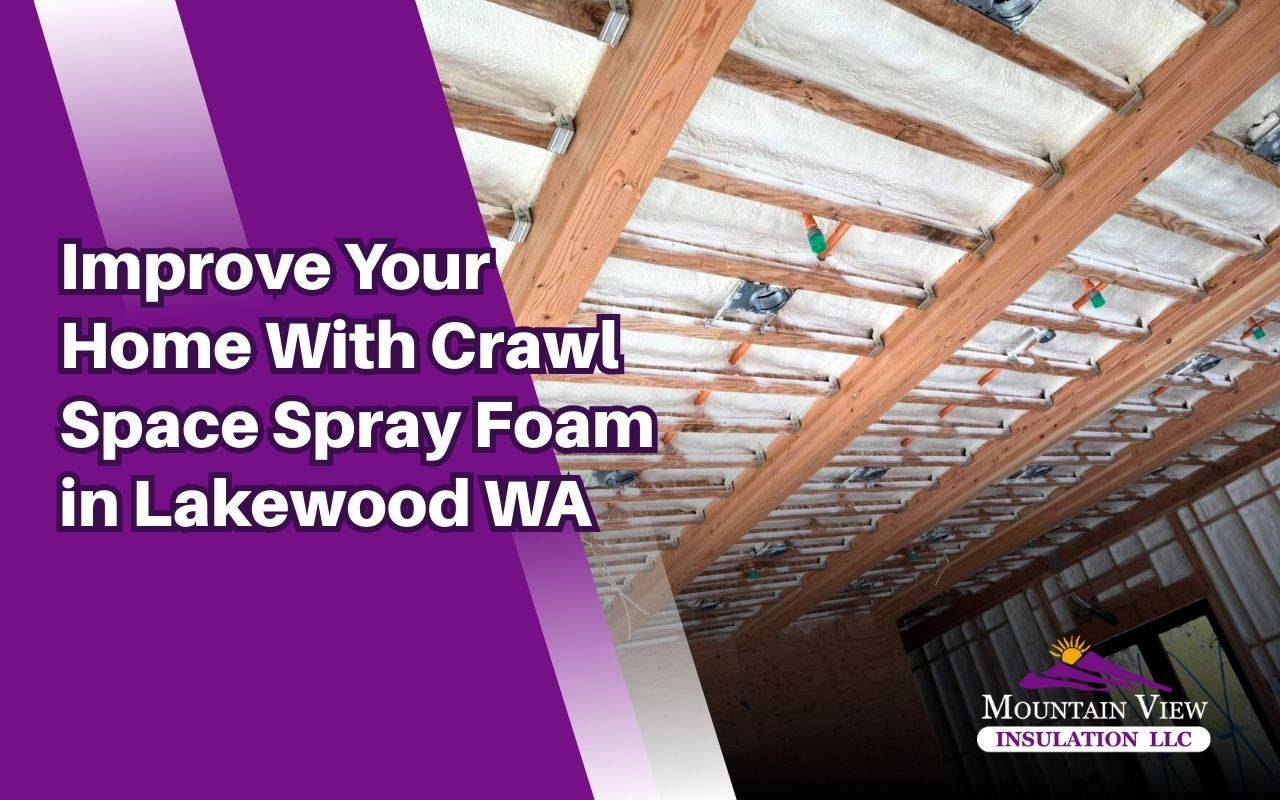
Crawl space spray foam in Lakewood WA can transform an often ignored area into a stronger, drier space. Because Lakewood humidity shifts through the year, insulation choices matter. For many property owners, closed-cell vs open-cell decisions can improve comfort and protect floors above.
In addition, a vapor barrier can limit moisture and help prevent mold. As a result, underfloor insulation performs better and supports code compliance Lakewood standards. Mountain View Insulation, LLC helps commercial properties plan smart upgrades that protect structure and reduce energy waste.
The Importance of Crawl Space Maintenance
Crawl space care is not a one-time task. Instead, it is an ongoing way to protect the foundation and indoor air. Dirt floors, exposed joists, and standing water can invite pests and mold. Therefore, regular checks can stop small problems before they grow.
After heavy rain or fast temperature swings, inspections are even more useful. For example, sealing gaps reduces air leaks and limits moisture buildup. Mountain View Insulation, LLC often supports commercial owners who want cleaner, safer spaces below their buildings.
- Check for standing water, damp wood, and musty odors
- Look for pests, torn insulation, and sagging supports
- Fix leaks early to reduce moisture and prevent damage
- Track changes after storms to spot new trouble areas
Closed-Cell vs Open-Cell Spray Foam: What to Know
Choosing between closed-cell vs open-cell foam depends on moisture needs and space limits. Closed-cell is dense, strong, and more water resistant. Meanwhile, open-cell expands easily and can fill odd shapes well. However, it allows more vapor movement than closed-cell.
Because crawl spaces in Lakewood can stay damp, many commercial projects lean toward stronger moisture control. Still, the best fit depends on the site and goals. Mountain View Insulation, LLC can help compare options based on the building’s use and conditions.
- Closed-cell: higher R-value per inch and better moisture resistance
- Open-cell: more flexible expansion and good coverage in uneven areas
- Decision factors: moisture levels, available depth, and target performance
Why Spray Foam Works Well in Crawl Spaces
Spray foam helps block drafts and smooth out temperature swings. As a result, HVAC systems work less and comfort improves above. In addition, the seal can reduce pathways for dust and outdoor allergens. For many properties, this supports better air quality and steadier indoor temps.
Because foam bonds to wood and concrete, it can also help limit pest entry points. When paired with underfloor insulation, floors can feel warmer and more stable. Mountain View Insulation, LLC applies proven methods that fit commercial timelines and building needs.
- Seals cracks and gaps to reduce air leaks
- Improves comfort above the crawl space
- Helps protect against pests and outside particles
- Supports long-term energy performance
Humidity and Moisture in Lakewood, WA
Local weather can drive moisture upward into crawl spaces. Consequently, condensation can form under floors and around joists. Over time, damp wood can weaken, and mold can spread. That is why moisture control should be part of any insulation plan.
Simple humidity gauges help track changes during wet seasons. Then, you can adjust ventilation or improve sealing when needed. Crawl space spray foam in Lakewood WA can also reduce unwanted air exchange that feeds damp conditions.
Vapor Barrier Basics and Why It Matters
A vapor barrier is a durable sheet that blocks ground moisture from rising. Therefore, it can reduce damp odors, mold risk, and wood rot. For best results, the barrier should cover the ground and extend up the walls, with seams sealed tightly.
When a barrier is combined with foam, you get a stronger moisture plan. The barrier slows soil moisture, while the foam seals gaps and joints. Mountain View Insulation, LLC often recommends this layered approach for commercial crawl spaces.
Moisture Reduction Strategies That Hold Up
Moisture control works best with a layered plan. First, seal foundation cracks and openings around pipes and wires. Next, add a vapor barrier to block ground moisture. Finally, seal the rim and wall gaps to reduce humid air movement.
Also, site drainage matters. So, keep gutters clear and move downspouts away from the foundation. If needed, a dehumidifier can support tighter spaces. Crawl space spray foam in Lakewood WA helps complete the seal, so moisture has fewer ways in.
- Seal cracks and gaps around penetrations
- Install and seal a full vapor barrier
- Improve drainage with clean gutters and long downspouts
- Use ventilation or dehumidification when appropriate
Underfloor Insulation and Energy Performance
Underfloor insulation reduces heat loss in winter and heat gain in summer. Consequently, indoor temperatures stay steadier and comfort improves. In commercial spaces, this can also support better zone control and reduce equipment strain.
Spray foam can be applied under the subfloor to fill gaps. However, some projects also use other systems depending on access. For nearby guidance on floor-focused solutions, review under-floor insulation in Tacoma WA and compare how similar methods apply.
Code Compliance Lakewood Considerations
Code compliance Lakewood rules can affect insulation levels, vapor barrier use, and ventilation details. Therefore, checking local requirements before work begins helps avoid delays. In addition, commercial projects may face extra inspection steps based on building use.
Working with experienced installers also reduces risk. Mountain View Insulation, LLC supports documentation and jobsite standards so the project can align with local expectations.
Value and Comfort From Crawl Space Upgrades
Strong crawl space upgrades can support long-term value by reducing moisture risks and improving efficiency. Moreover, cleaner spaces can improve indoor comfort and reduce unpleasant odors. These benefits matter for buyers and tenants, especially when maintenance records are clear.
If you want more context on performance and outcomes, explore the benefits of spray foam insulation and see how sealing and insulation can work together in real buildings.
Frequently Asked Questions
Is crawl space spray foam in Lakewood WA suitable for commercial buildings?
Yes. It can support better sealing and comfort, especially in properties with drafts and moisture concerns.
How do I choose between closed-cell vs open-cell foam?
Start with moisture needs, available space, and target performance. Closed-cell often fits tighter, damp areas.
Do I still need a vapor barrier if I use spray foam?
Often, yes. A vapor barrier blocks ground moisture, while foam seals air leaks, so they work better together.
Will underfloor insulation help reduce energy waste?
In many cases, yes. It limits heat transfer through floors, which helps HVAC systems run more efficiently.
What does code compliance Lakewood usually cover for crawl spaces?
It commonly relates to insulation levels, moisture control, and ventilation requirements. Local rules can vary by project.
Next Steps for Commercial Crawl Spaces
For commercial owners, a plan that targets moisture, sealing, and insulation can reduce risk and improve comfort. Crawl space spray foam in Lakewood WA is often a strong option when paired with smart moisture control steps. Mountain View Insulation, LLC can help align foam choice, vapor barrier use, and underfloor insulation with building needs.
To discuss your site conditions and goals, connect through the contact page and request a crawl space evaluation.