When rooms feel too cold, too warm, or drafty, the problem may be above your ceiling. An attic insulation inspection checklist helps you look for simple signs before comfort drops and energy use rises.
At Mountain View Insulation, LLC, we believe early checks can protect your home without stress. Therefore, a clear attic insulation evaluation can show where heat, air, or moisture may be causing trouble.
Attic Insulation Matters For Year Round Comfort
Good attic insulation works like a blanket for your home. It slows heat loss in winter and helps block heat in summer. As a result, your heating and cooling system can work with less strain.
An attic insulation inspection checklist also helps you notice moisture risks. When warm air reaches a cold attic surface, condensation may form. Over time, this can harm wood, support mold, and lower indoor air quality.
Early Warning Signs Your Attic Needs Attention Soon
Uneven room temperatures are common signs attic insulation is failing. For example, one bedroom may feel cold while another stays comfortable. In summer, upstairs rooms may also feel hotter than the rest of the home.
Higher energy bills can point to attic insulation problems, especially when your daily habits have not changed. Drafts near attic doors, light openings, or vents may also show that insulation has gaps or worn areas.
Simple Preparation Steps Before Entering Your Attic Safely
Before using an attic insulation inspection checklist, gather basic tools and plan your access. A safe setup helps you move with care and record what you find without missing key areas.
- Use a bright flashlight, measuring tape, gloves, mask, and long sleeves.
- Bring a phone or notepad to save photos and notes.
- Choose a dry day so extra moisture does not affect your review.
- Place a sturdy ladder on flat ground before entering the attic.
Exterior Clues That Reveal Hidden Insulation Trouble Fast
A quick outdoor review can show problems before you enter the attic. Look at soffits, ridge vents, and gable vents. These openings help moisture leave the attic, so blocked vents can reduce insulation performance.
Also check for animal entry, damaged roof edges, or gaps around vents and chimneys. For more attic care guidance, our home insulation tips can help you understand common warning areas.
Interior Checks That Show Real Insulation Condition Clearly
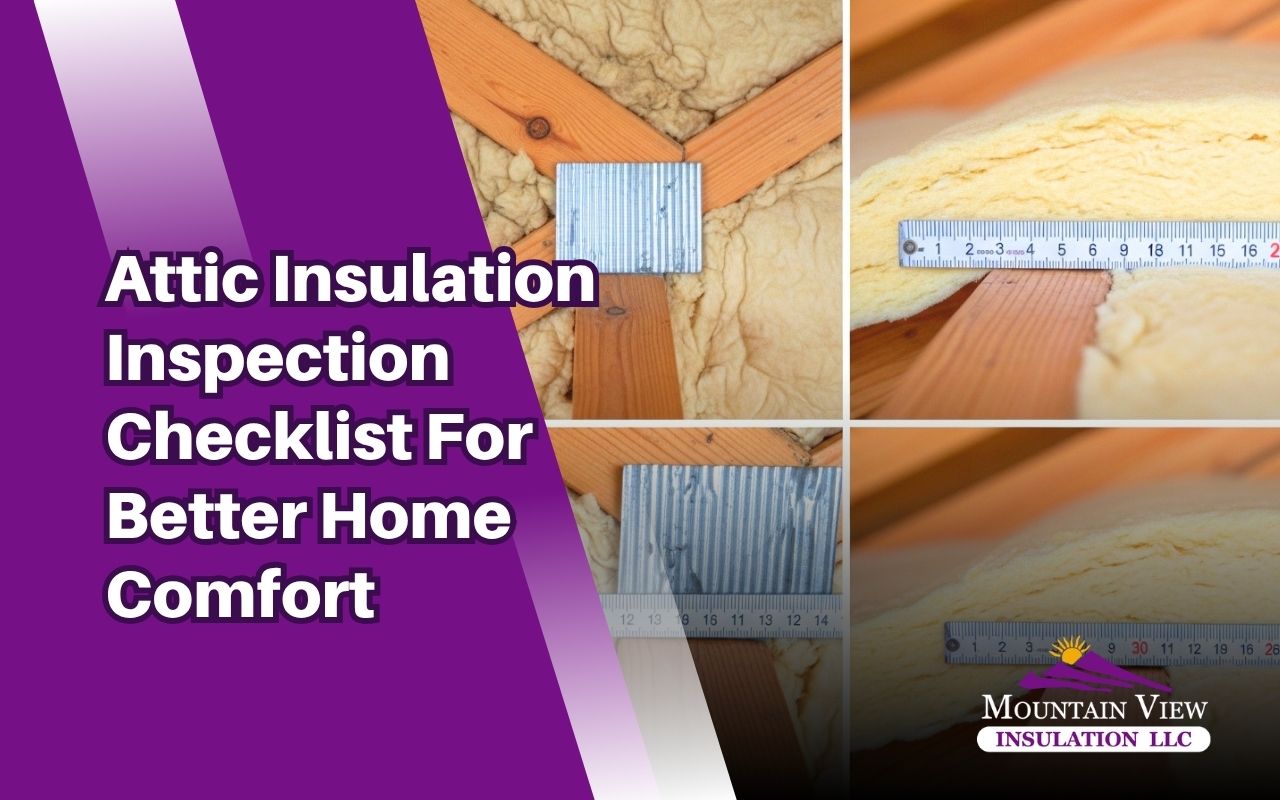
Inside the attic, start with insulation depth and coverage. An attic insulation inspection checklist should include thin spots, compressed areas, and places where insulation has moved away from joists or walls.
- Measure insulation depth in several areas, not just one spot.
- Look for dark stains, frost, wet spots, or mold on roof decking.
- Check around light fixtures, ducts, attic hatches, and floor openings.
- Compare your findings with the right R-value for your home.
Because R-value affects comfort and energy use, our guide to home insulation R-value can make this part easier to understand.
Air Leaks And Material Issues That Affect Performance
Even good insulation can fail when air leaks are present. Warm air may escape into the attic during winter, while hot attic air can affect comfort in summer. Therefore, an insulation performance check should include air gaps.
Materials also matter during an attic insulation evaluation. Fiberglass, cellulose, spray foam, and rigid foam can each work well when used correctly. However, poor fitting, settling, or moisture damage can lower their value.
Frequently Asked Questions
How often should I inspect attic insulation?
Most homes benefit from a yearly attic check. However, you should inspect sooner after roof leaks, pest issues, high energy bills, or strong drafts.
What are common attic insulation problems?
Common issues include thin coverage, wet insulation, air leaks, blocked vents, pest damage, and compressed material. These problems can lower comfort and raise energy use.
Can I do an insulation inspection myself?
Yes, a simple visual review is possible when the attic is safe to enter. Still, a professional can find hidden heat loss, moisture issues, and code concerns.
When should insulation be replaced?
Insulation may need replacement when it is wet, moldy, badly compressed, or no longer giving enough coverage. Our guide on when attic insulation should be replaced explains more signs.
What does a full attic insulation service include?
A full service may include removal, air sealing, ventilation review, and new insulation. With Mountain View Insulation, LLC, our team explains the safest next step before work begins.
Professional Support Keeps Your Attic Working Properly Longer
A careful attic insulation inspection checklist helps you act before small issues become expensive repairs. It also gives you a better view of comfort, airflow, and moisture concerns across the home.
- Call our team when insulation is wet, damaged, or uneven.
- Ask for help if you see mold, pests, or unsafe attic access.
- Schedule service when energy bills rise without a clear reason.
At Mountain View Insulation, LLC, we guide homeowners with clear answers and practical options. You can review our attic insulation service options or contact Mountain View Insulation, LLC when you need support.